


Optimization of Governance in Project Management
Concordia Versicherungen has undertaken a fundamental restructuring of their project landscape management. What triggered this renewal process was a lack of transparency in capacity planning and the use of various disconnected tools for project planning and control. As a result, overarching control across the entire portfolio was partially lacking.
The goal was to achieve substantial improvements in project governance, resource management, and portfolio visibility. To achieve this goal, Concordia decided to introduce an integrated project management software solution.
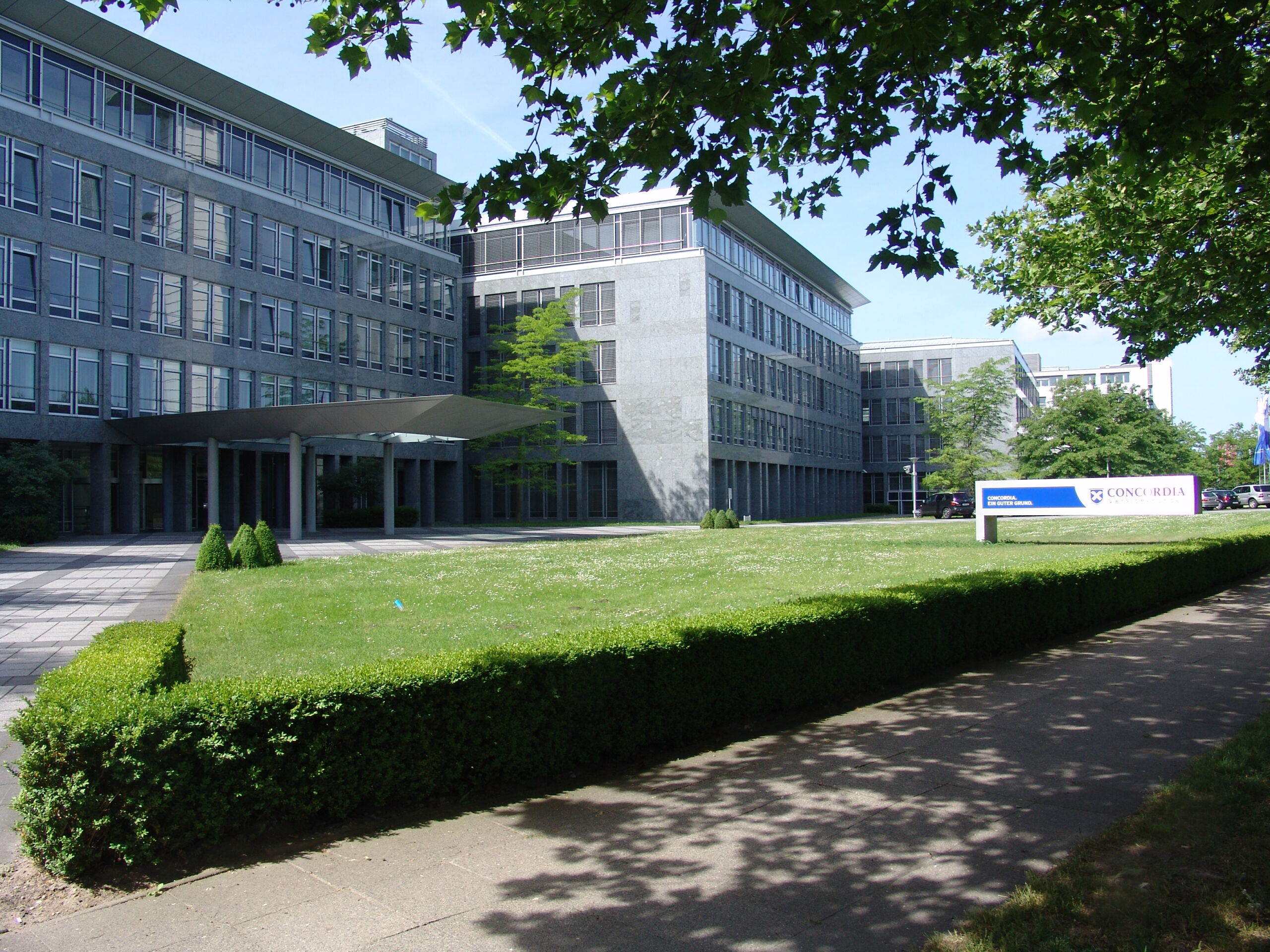

Company Profile
Concordia Versicherungen is a mutual insurance association headquartered in Hanover. For over 150 years, the company has been providing insurance and pension solutions to private individuals, self-employed persons, businesses, and the agricultural sector – ranging from motor and legal protection insurance to health and life insurance, as well as tailored retirement planning concepts.
PLANTA has been in use at Concordia since 2023.
Initial Situation: Heterogeneous Structures, Lack of Transparency
Prior to the tool implementation project, the company’s project landscape was characterized by inconsistent processes, countless manual steps, and unclear responsibilities. Capacity planning was decentralized and carried out primarily using manual Excel-based solutions. There was no standardized reporting system.
In addition, project-relevant data was spread across various systems, with no end-to-end data integration in place. As a result, the organization’s ability to manage the overall project landscape was significantly limited.
One of the major problems was a certain lack of transparency regarding responsibilities, project statuses, and resource utilization within the departments. Stakeholders and team members often had no clear overview of what was being worked on or which tasks should be prioritized.
Goal Definition: Strengthen Governance, Manage Resources More Effectively
The goal set by Concordia was to introduce an integrated project management solution to substantially improve transparency and control over its project landscape. The aim was to establish a unified, digitalized process structure across the entire project lifecycle – from project request to portfolio simulation.
The focus was particularly on the following improvements:
- Standardized reporting formats and data-driven evaluations for managing ongoing projects
- Improved planning reliability through centralized, transparent capacity planning
- A comprehensive information base on budgets and resources through integration with HR and financial systems
- Digitalization and simplification of simulations in portfolio management
System Selection
As part of a structured selection process, four standard project management solutions were evaluated. Finally, the decision was made in favor of PLANTA Enterprise, supplemented by add-ons for Microsoft Project and an interface to Jira.
Key factors in the decision-making included the comprehensive range of functions, the price-performance ratio, and the ability to support integrated end-to-end processes – from project request to portfolio evaluation.
A project management tool had previously been in use, but it was limited to resource management within the IT department. Expansion or in-house development was not pursued any further.
System Implementation: Integration, Customization, Training
Following the decision to implement the software, a central competence team of eight people was formed, consisting of project management, project team members, and IT support. The implementation focused on the following key areas:
-
Migration of existing project data
-
Development of a permission and access concept
-
Mapping of company-specific processes within the system
-
Integration of the software with existing systems: SAP, HR systems, Jira, and Active Directory
-
Training sessions for all relevant user groups
Customizations to the standard software were primarily carried out in the areas of reporting (project and resource data), the steering committee report, and – in the future – through the introduction of a change request module.
Most of the customizations were implemented by the software provider.
From initial problem definition to final decision, the process took around six months, with technical and organizational implementation taking another ten months. The system has been in live operation since July 2023.
Areas of Application and Scope of Use
Today, the system is primarily used in the areas of project portfolio management, project management, and resource management. A total of 50 project managers and five multi-project managers actively use the solution, supported by around 400 employees who provide project-related feedback.
Typically, around 60 projects are running simultaneously, each with an average duration of twelve months. The system is used across all locations – both at the headquarters in Hanover and in all regional sales offices throughout Germany.
Results: Greater Transparency, Improved Control, Clear Responsibilities
This not only enhanced operational control but also made a significant contribution to the professionalization of project governance. The integrated solution provides the foundation for systematically prioritizing strategic projects, planning resources efficiently, and making data-driven decisions.